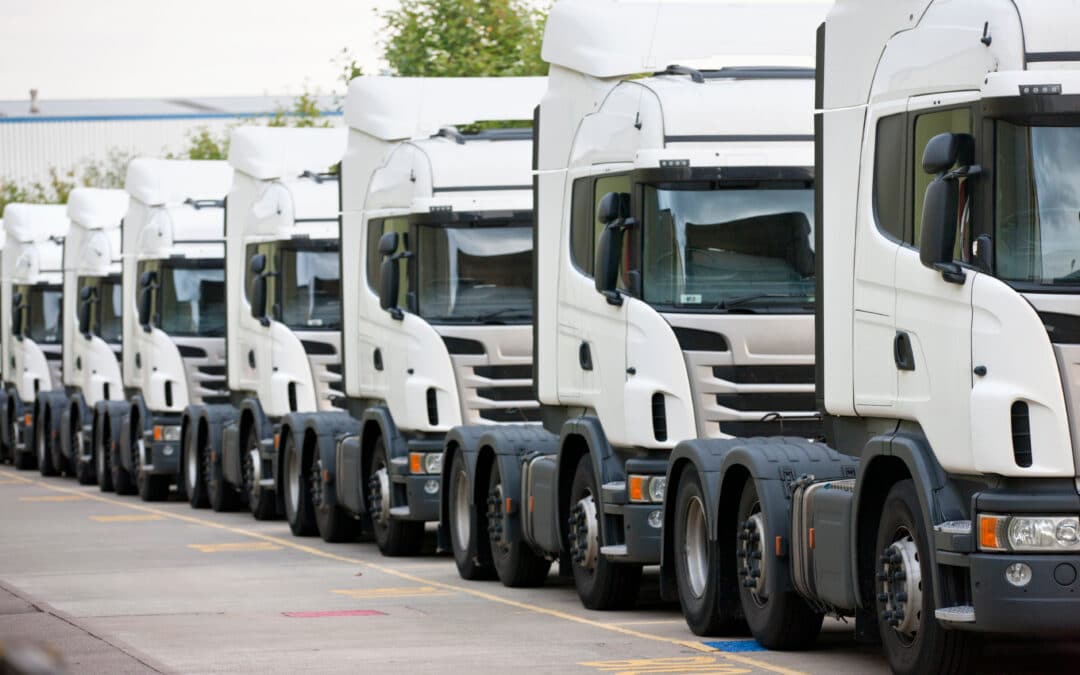
Your fleet woke up in a solar oven again. By 10 AM the metal roof of a parked service van in Tempe is already pushing 160°F. By 2 PM, the asphalt on the I-10 is hot enough to fry your vinyl — literally. Phoenix doesn’t just test fleet wraps. It destroys the wrong ones within a single Arizona summer. In 2026, the question isn’t whether you should wrap your fleet — it’s whether you’re using the right material to survive the Sonoran Desert. This guide covers the exact vinyl specifications, laminate technologies, and installation standards that separate a five-year wrap from a 14-month failure.
115°F+ — Vehicle surface temps in Phoenix summer sun
25% — More intense UV radiation vs. most U.S. cities
4–6 yr — Lifespan of premium cast vinyl wraps in AZ
12–18 mo — Typical failure window for budget calendered vinyl
The Phoenix UV Challenge
The Sonoran Desert isn’t a harsh climate — it’s a hostile one. Phoenix averages more than 300 days of sunshine per year, with summer UV Index readings regularly hitting 11 on the extreme scale. Those UV levels cause something most fleet managers in other states never encounter: bronzing — a progressive yellowing and discoloration of vinyl pigment binders that makes your professional graphics look aged, faded, and unprofessional within months.
Beyond bronzing, the thermal reality of Phoenix is brutal for wrap adhesives. When a dark-colored van sits in a parking lot off Camelback Road at 2 PM in July, its painted surface can reach surface temperatures between 140°F and 180°F. Standard adhesive formulations soften at these extremes, leading to “adhesive creep” — where the bond between the vinyl and the substrate slowly migrates, creating bubbles, edge lifting, and eventual delamination. A wrap that would last seven years in Minneapolis can visibly fail before its second anniversary here.
Why Standard “UV Resistant” Labels Aren’t Enough for Phoenix: Many budget wrap materials carry a generic UV resistance rating calibrated to coastal or Midwest conditions. Arizona’s UV exposure index, combined with extreme dry heat and rapid temperature swings between day and night, creates a combined stress environment that obliterates these ratings. In Phoenix, you need materials specifically rated for high desert conditions — not re-labeled generic film.
The Sonoran Desert also produces unique compounding conditions: haboobs (dust storms) that blast fine silica particles across vinyl surfaces, creating microscopic abrasion; near-zero humidity that causes vinyl polymers to dry out and become brittle faster than in humid markets; and monsoon rain cycles that introduce sudden thermal shock when cold rain hits panels that have been baking all day. Fleet managers who understand this full threat profile make radically different material choices — and their wraps show it.
Cast Vinyl vs. Heat Stress: The Only Material That Wins in Arizona
The core material decision for any Phoenix fleet wrap is straightforward, but often misunderstood: cast vinyl is mandatory. Calendered vinyl is a gamble you will lose.
Understanding Why Calendered Vinyl Fails in Phoenix
Calendered vinyl is manufactured by pushing a heated PVC mixture through heavy steel rollers to create a flat film. This rolling process introduces mechanical stress into the material — the film is essentially forced flat and “remembers” its pre-rolled state. In mild climates, this doesn’t matter much. In Phoenix, where daily heat cycles push surface temperatures above 140°F, that stored stress releases progressively with every hot day. The result is thermal shrinkage that pulls wrap edges away from panel lines, opens seams, and causes the adhesive to fail from the outside in — typically within 12 to 18 months of installation.
Why Cast Vinyl Is the Desert Standard
Cast vinyl begins as a liquid polymer poured onto a casting sheet. There is no mechanical stress introduced during manufacturing. The resulting film has genuine dimensional stability — it simply does not shrink under heat cycling because there is no internal tension to release. On a fleet vehicle operating six days a week across Phoenix’s 110°F summers, this difference is decisive. Cast vinyl maintains edge adhesion, keeps seams tight, and resists the bronzing that destroys cheaper films.
| Property | Cast Vinyl (Premium) | Calendered Vinyl (Budget) |
|---|---|---|
| Thermal Shrinkage | Dimensionally stable | Shrinks up to ¼″ under heat |
| Thickness (typical) | 2–3 mil (conforms to curves) | 3–5 mil (stiff, crack-prone) |
| Lifespan in AZ Heat | 4–6 years with laminate | 12–18 months typical failure |
| Adhesive Creep Risk | Low — stable adhesive system | High — adhesive migrates under heat |
| Bronzing Resistance | High — UV-stable pigments | Low — pigment binders degrade fast |
| Removal (end-of-life) | Clean, preserves paint | Often tears, requires chemicals |
| Curved Surface Conformability | Excellent | Poor — lifts at contours |
The Role of Ceramic-Infused Laminates in 2026
Cast vinyl alone — even from premium brands like 3M or Avery Dennison — still needs a laminate layer to survive the Phoenix UV environment. In 2026, the technical standard has moved beyond traditional polyester UV laminates toward ceramic-infused laminates, which embed nano-ceramic particles into the overlaminate film.
The mechanics are significant: nano-ceramic particles reflect infrared solar radiation before it converts to heat in the vinyl substrate, and they form a UV-blocking barrier at the molecular level — not just a UV-absorbing chemistry that depletes over time. Traditional UV laminates work by absorbing UV energy, which means they slowly “burn out.” Ceramic-infused laminates reflect that energy away, dramatically reducing panel surface temperatures and maintaining their protective capacity far longer. Independent testing on high-opacity 9-mil cast vinyl with ceramic laminate shows color stability and adhesion retention at 115°F+ surface temperatures — the conditions that regularly occur on Phoenix fleet vehicles parked outdoors during peak summer hours.
“A wrap with proper UV protection can maintain its original appearance for 3–4 years longer than an unprotected wrap in Arizona conditions.”
For fleet managers running service vehicles, delivery vans, or HVAC trucks across the Valley, this isn’t a luxury upgrade — it’s a return-on-investment decision. A wrap that lasts 5 years versus 2 years means the cost per year of your mobile marketing drops by more than half, and your brand stays sharp and consistent across every vehicle in your fleet.
Related From ProVinyl Solutions
- 10 Expert Strategies to Maximize Your Car Wrap in Arizona’s Heat
- Fleet Branding vs. Billboards: 2026 CPM & ROI Data for Phoenix Businesses
- Arizona Business Growth Powered by High-Impact Vehicle Wraps
- Arizona Vehicle Wrap Laws: Compliance Guide for Businesses
- How Vehicle Wraps Boost Local Visibility & Google Maps Rankings
Servicing the Valley: Phoenix, Tempe & the Entire Metro
ProVinyl Solutions is headquartered in Tempe, positioned at the geographic heart of the Phoenix metro area. That matters for fleet managers because vehicle wrap quality is deeply tied to where the work happens — specifically, whether vehicles are installed in a climate-controlled environment that allows proper adhesive curing and heat application during the wrap process.
Our shop serves commercial and fleet clients across every major Valley corridor:
Whether you’re running a 2-truck HVAC operation out of Chandler, a 15-van landscaping company serving North Scottsdale, or a regional delivery fleet covering the entire I-10 corridor from Goodyear to Mesa — our fleet wrap process is built for scale and consistency. Every vehicle in your fleet will receive identical color calibration, identical material specifications, and identical installation standards. Brand consistency across a mixed fleet isn’t an afterthought at ProVinyl Solutions. It’s the baseline.
We also understand that fleet operations have real scheduling constraints. Vehicles can’t sit idle for a week. Our team coordinates multi-vehicle installs to minimize downtime, and our in-house design, print, and installation workflow means zero third-party bottlenecks — no outsourced printing, no communication gaps, no color consistency failures between vehicles.
Longevity of Ceramic-Infused Vinyl: What the Data Tells Us
When fleet managers ask how long a wrap will really last in Phoenix, the honest answer depends on three factors: the vinyl specification, the laminate grade, and the installation environment. Here is what the data shows for professionally installed wraps in the Sonoran Desert climate.
Material Performance by Grade — Phoenix Conditions
- 9-mil cast vinyl + ceramic-infused laminate: 4–6 years color stability, edge adhesion retained, cleanly removable at end of service life.
- Standard cast vinyl + polyester UV laminate: 3–4 years before noticeable bronzing and edge creep begin under peak-summer conditions.
- Calendered vinyl + basic overlaminate: 12–24 months before visible shrinkage, edge lifting, and color shift — typically accelerated by monsoon thermal shock cycles.
- Calendered vinyl, no laminate: Often visibly degraded within a single summer season in Phoenix. Not suitable for commercial fleet use in Arizona under any circumstances.
The Real Cost of “Going Cheap” on a Phoenix Fleet
The upfront cost difference between budget calendered vinyl and premium cast vinyl with ceramic laminate is approximately 20–35% per vehicle. But fleet operators who run the full cost model consistently find that premium material is dramatically more economical over the fleet’s operating cycle. If a budget wrap costs $2,800 per vehicle and fails in 18 months, you’ve spent nearly $2,000 per year per vehicle on wrap marketing. A premium wrap at $3,800 that lasts 5 years costs $760 per year — less than half — while consistently presenting a sharper, more professional brand image every single day.
That math assumes clean failure. In reality, premature wrap failure on a fleet vehicle also involves removal labor, potential paint damage from degraded calendered adhesive, and the operational disruption of pulling vehicles for emergency re-wraps during your busiest season. The savings evaporate rapidly. In Arizona’s fleet market, cast vinyl with ceramic-infused laminate is not the premium option — it is the economical option over any realistic ownership horizon.
Installation Conditions Matter as Much as Materials
Even the best materials will underperform if installed incorrectly. Professional fleet wraps in Phoenix should be installed in a temperature-controlled indoor environment between 65°F and 75°F, allowing proper adhesive activation and panel adhesion before the vehicle returns to outdoor conditions. Each wrap panel should be post-heated during installation to pre-release stress and ensure the film conforms fully to body curves. Seams should be edge-sealed with matching laminate to prevent monsoon moisture from migrating under the film. These aren’t optional best practices in Arizona — they’re the baseline requirements for wrap longevity.
Fleet Wrap Maintenance for Phoenix Operations
Even premium wraps require attention in Arizona’s environment. The following maintenance protocol protects your investment across the full lifespan:
- Hand-wash with pH-neutral cleaner weekly during summer months — never use automated brush car washes.
- Rinse off haboob dust immediately after storms — fine silica acts as abrasive under wash pressure if left dry.
- Avoid high-pressure washing within 12 inches of seams and edges.
- Park in covered or shaded areas between 12 PM and 4 PM when surface temperatures peak.
- Inspect seams and edges every 90 days for early lifting — immediate edge re-sealing costs far less than panel replacement.
- Do not apply waxes or polish compounds not specifically rated for vinyl surfaces.
Frequently Asked Questions
Click any question to expand the answer
What are the best fleet wrap materials for Phoenix Arizona heat in 2026?
The best fleet wraps for Phoenix, AZ in 2026 use 9-mil high-opacity cast vinyl with ceramic-infused laminates rated for 115°F+ surface temperatures. These materials prevent bronzing and adhesive failure common in the Sonoran Desert climate, and are the only materials warranted for full 4–6 year performance under Valley conditions.
How long do fleet wraps last in Phoenix’s extreme heat?
With premium cast vinyl and ceramic-infused UV laminates professionally installed, fleet wraps in Phoenix can last 4–6 years with maintained color vibrancy and edge adhesion. Calendered (budget) vinyl typically fails within 12–18 months under Arizona’s UV and heat conditions, often requiring full replacement mid-fleet-cycle.
What is “bronzing” in vehicle wraps and why does it happen in Arizona?
Bronzing is a yellowing or discoloration of vinyl wrap graphics caused by UV radiation breaking down the film’s pigment binders and plasticizers. It’s especially common in Phoenix because the Sonoran Desert receives UV radiation approximately 25% more intense than many other major U.S. cities. Cast vinyl with ceramic-infused laminates resists bronzing by reflecting UV and infrared energy rather than simply absorbing it.
Is cast vinyl better than calendered vinyl for Arizona fleet wraps?
Yes — cast vinyl is the only professional-grade choice for Arizona fleet wraps. Unlike calendered vinyl, cast vinyl has no internal mechanical stress from the manufacturing process, meaning it resists thermal shrinkage, edge lifting, and adhesive failure under extreme heat cycling. It also conforms better to complex vehicle panel curves and removes cleanly at end-of-life without damaging paint.
Do ceramic-infused laminates really make a difference for Phoenix fleet wraps?
Yes, significantly. Ceramic-infused laminates embed nano-ceramic particles that reflect infrared heat and block UV degradation at the molecular level. Unlike traditional UV laminates that absorb UV energy and deplete over time, ceramic laminates reflect it — keeping panel surface temperatures measurably lower and maintaining color stability 2–3 years beyond what standard laminates achieve in Phoenix conditions.
How much does a fleet wrap cost in Phoenix, AZ?
Full fleet wraps in Phoenix typically range from $2,500–$5,500 per vehicle depending on vehicle size, design complexity, and material grade. Premium cast vinyl with ceramic laminate costs 20–35% more than budget alternatives upfront, but the longer lifespan (4–6 vs. 1–2 years) cuts the annual cost per vehicle by more than half, making it the better economic choice over any full fleet ownership cycle.
Does ProVinyl Solutions serve Tempe, Scottsdale, and other Phoenix metro cities?
Yes. ProVinyl Solutions is based in Tempe, Arizona and serves the entire Phoenix metro area including Scottsdale, Chandler, Mesa, Gilbert, Glendale, Peoria, Goodyear, Avondale, and Surprise for both single-vehicle and full commercial fleet wrap projects. Our in-house design, printing, and installation workflow ensures brand consistency across your entire fleet regardless of vehicle count.
What wrap maintenance is required for Phoenix fleet vehicles?
Phoenix fleet wraps should be hand-washed weekly during summer with pH-neutral soap, avoiding automated brush car washes. Rinse haboob dust off immediately after storms. Park in covered areas between 12 PM and 4 PM when possible. Inspect seams and edges every 90 days for early lifting. Avoid high-pressure washing near seams and never use wax or polish products not rated for vinyl surfaces.
Authoritative External Resources
- 3M Commercial Graphics — Vehicle Wrap Film Specifications & Warranties
- Avery Dennison Graphics — Cast vs. Calendered Film Technical Guide
- Outdoor Advertising Association of America (OAAA) — Out-of-Home Advertising Impression Data
Ready to Heat-Shield Your Fleet?
Get a free fleet wrap consultation from ProVinyl Solutions — Tempe’s desert-hardened wrap specialists. We’ll assess your vehicles, recommend the right cast vinyl and ceramic laminate specification for your use case, and give you a transparent, itemized fleet quote.
Get a Free Fleet Quote
View Fleet Wrap Services
Serving Phoenix · Tempe · Scottsdale · Chandler · Mesa · Gilbert · Glendale · Goodyear · Surprise · All of Maricopa County
Recent Comments